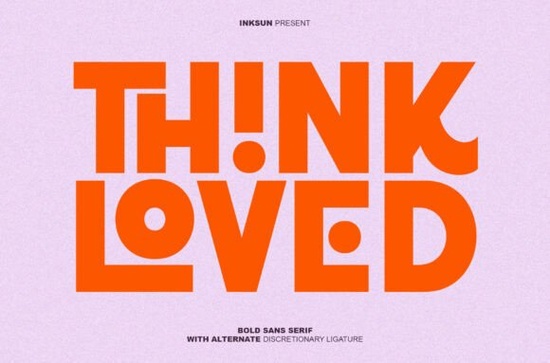
If you're looking for a bold sans serif font that blends minimalist geometry with unexpected visual flair, Think Loved Font is worth a closer look. Designed for creators who need typography that grabs attention without sacrificing clarity, it’s especially useful for streetwear branding, social media ads, or any project where contrast and character matter.
What sets Think Loved apart isn’t just its ultra-heavy weight it’s how the font uses circular cutouts and interlocking letterforms to create rhythm and movement. These aren’t random decorations; they’re built into discretionary ligatures that activate automatically in design software that supports OpenType features (like Adobe Illustrator or Affinity Designer). The result? Headlines that feel both modern and intentional.
Who is this font best suited for?
Think Loved works well for:
- Print-on-demand sellers creating t-shirt graphics, tote bags, or phone cases that need instant visual impact.
- Small business owners building logos or packaging for lifestyle, beauty, or urban-inspired brands.
- Digital marketers designing high-contrast banners or Instagram stories where legibility at small sizes still matters.
- Hobbyist designers experimenting with typographic posters or quote art for home decor.
Because of its strong silhouette and clean lines, it pairs easily with simpler sans serifs or even delicate scripts just avoid pairing it with other heavy display fonts, which can create visual clutter.
How does it compare to similar geometric sans serifs?
Fonts like Polaroid lean into retro minimalism with uniform strokes and tight spacing, while Think Loved embraces asymmetry through its cutouts and ligature-driven connections. Both are great for modern branding, but Think Loved adds more personality through its alternate glyphs.
If you’ve used fonts like Think Loved before, you’ll appreciate how it balances playfulness with structure. It doesn’t sacrifice readability for style the core letterforms remain grounded in geometric sans principles, so even with its decorative elements, it stays functional.
What should you know before using it commercially?
Like most Creative Fabrica fonts, Think Loved comes with a commercial-use license when downloaded through their platform. That means you can use it on products you sell whether digital templates or physical merchandise as long as you’re not redistributing the font file itself. Always double-check the specific license terms after purchase, but for most small businesses and creators, it’s plug-and-play ready.
One practical tip: because of its bold weight and intricate ligatures, test your designs at actual print or screen size early in the process. Some alternate characters may not render as expected in basic text editors or older software, so previewing in your final output environment helps avoid surprises.
Where can you see it in action?
Browse the Think Loved product page to view real-world mockups from apparel to app interfaces that show how the font behaves in different contexts. You’ll notice how the circular cutouts create negative space that draws the eye, especially in uppercase settings or short phrases.
For inspiration, try combining it with solid color blocks, duotone effects, or grainy textures. Its high-contrast nature makes it a natural fit for grunge, Y2K revival, or minimalist tech aesthetics.
Before you download: a quick checklist
- ✅ Confirm your design software supports OpenType features (for ligatures).
- ✅ Test readability at small sizes if using for subheadings or captions.
- ✅ Pair with a neutral body font avoid competing display styles.
- ✅ Review the license if embedding in web or app projects (standard desktop license may not cover that).
- ✅ Save time by downloading from Creative Fabrica during a sale they often bundle fonts with craft assets.
If your project needs a font that’s bold without being generic, and detailed without being fussy, Think Loved offers a smart middle ground. It’s not just another heavy sans it’s a tool that invites creative typesetting while staying rooted in usability.
Explore Design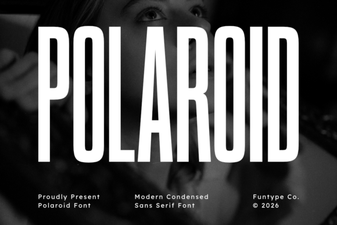 Crafting Projects with the Polaroid Font Style
 Creative Ideas with the Letterland Font
 Monarch Heritage Font: Design Elegance for Modern Projects
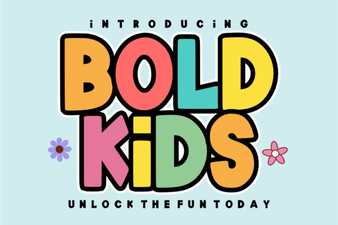 Creative Font Projects for Bold Kids
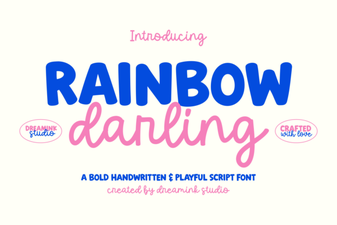 Rainbow Darling Duo: a Creative Pair for Bold Designs
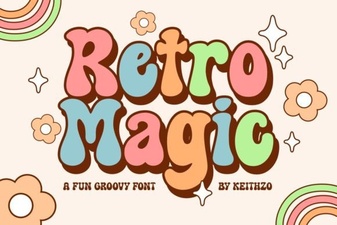 Retro Magic Fonts for Vintage Design Projects